
How To
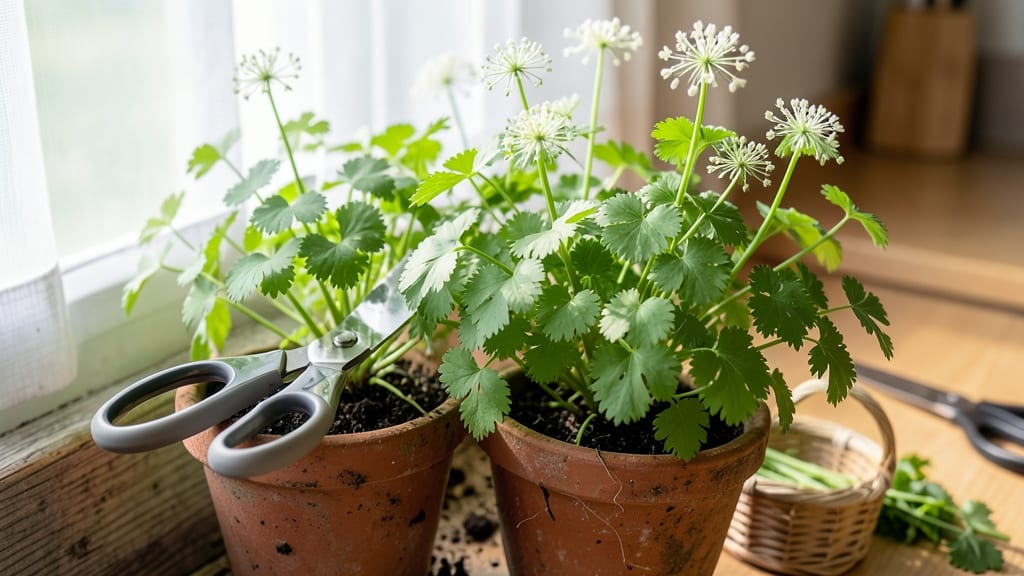
Picking fresh cilantro can make or break your favorite dishes—one wrong choice, and you're left with bitter, wilted leaves that ruin salsas, tacos, or soups. The good news? You don’t need a green thumb to spot the best bunch at the store or in your garden.
With just 3 quick visual checks, you’ll master how to pick cilantro that’s vibrant, flavorful, and ready to elevate your cooking.
Start by examining the leaves—bright, deep green cilantro 🌿 is a dead giveaway for freshness, while yellowing or dull edges signal age. Next, grip the stems: firm, crisp roots mean it was recently harvested, while slimy or mushy bases are a red flag.
These simple tricks save you from wasting money (or homegrown effort) on cilantro that’s past its prime.
But here’s the kicker: even if you nail the visuals, handling matters just as much. Learn how to avoid bruising those delicate leaves and what to do if you accidentally bring home wilted cilantro—because sometimes, a little TLC can revive it.
Whether you’re a market shopper or a home gardener, these tips will keep your cilantro tasting like it just sprang from the soil.
Ready to transform your cooking? I’ll walk you through every step, from spotting the freshest bunch to storing it like a pro so it stays crisp for days. Let’s get started—your next dish deserves the best cilantro possible.
3 Visual tests to identify fresh cilantro instantly
Picking fresh cilantro starts with visual cues that reveal its peak flavor potential. Whether you're at the farmers' market or harvesting from your garden, these three tests will help you spot cilantro at its freshest.
The key is looking for vibrant leaf color, firm stem structure, and healthy root systems—all signs of a plant ready to shine in your dishes.
First, focus on the leaf color. Fresh cilantro leaves should be a bright, vibrant green with no yellowing or browning. Even a single yellow leaf can signal the start of wilting.
For gardeners, this is your cue to harvest before the plant bolts or loses its signature citrusy aroma. Market shoppers should avoid bunches with more than 10% discolored leaves.
Next, examine the stems. Fresh cilantro stems should feel crisp and firm when gently squeezed. If they bend easily or feel mushy, the cilantro is past its prime.
Look for stems that snap cleanly when cut—a sign of freshness. In your garden, this test helps you determine the best time to harvest for maximum flavor retention.
Finally, check the roots if available. Fresh cilantro roots should be white or pale yellow, not brown or slimy. For potted cilantro, gently pull on the stems to see if roots hold together.
In market bunches, look for tightly bound roots that haven't dried out. This is especially important for cilantro you plan to store longer.
🌿 Fresh Cilantro Visual Guide
| Test | Fresh Cilantro | Unfresh Cilantro |
|---|---|---|
| Leaf Color | Bright vibrant green | Yellow/brown spots |
| Stem Firmness | Crisp, snaps cleanly | Mushy or bends easily |
| Roots | White/pale, tightly bound | Brown/slimy, dried out |
| Aroma | Citrusy scent | No smell or earthy odor |
For gardeners, these visual tests become even more valuable when harvesting. Always pick cilantro in the morning after dew has evaporated but before the sun intensifies.
This timing preserves the peak flavor and moisture content. If you're harvesting from your garden, cut stems about an inch above the base to encourage regrowth.
One pro tip: Rub the leaves between your fingers before buying or harvesting. Fresh cilantro releases a noticeable citrus scent. If you don't smell that bright aroma, the cilantro may be past its prime. This simple trick works like a built-in flavor meter for your cilantro selection process.
Remember that cilantro's flavor peaks when leaves are young and tender. If you see flower buds forming, the plant is bolting, and the leaves will taste bitter.
In your garden, this means harvesting frequently to maintain that fresh, citrusy profile. For market shoppers, avoid bunches with visible flowers or seed heads.
When selecting cilantro at the market, also consider the leaf size. Smaller, tightly packed leaves indicate younger plants with better flavor. Larger leaves often mean the cilantro has been growing longer and may have developed a more bitter taste.
This is particularly true for cilantro varieties like 'Santo' or 'Calypso' that are bred for flavor intensity.
Finally, pay attention to the packaging if buying pre-bundled cilantro. Look for tight, plastic-free wraps that allow some airflow. Loose bunches or those wrapped in plastic for more than 24 hours tend to wilt faster.
For gardeners, this means harvesting cilantro just before use whenever possible to maintain that market-fresh quality.
3 Visual tests to identify fresh cilantro instantly
Fresh cilantro isn’t just about vibrant green leaves—it’s about crisp stems, aromatic roots, and uniform color. These three visual tests will help you spot the freshest cilantro in seconds, whether you’re at the farmers' market or harvesting from your garden.
Start by examining the leaf color, which should be a bright, even green without yellowing or browning.
Next, check the stem firmness. Fresh cilantro stems should feel crisp and sturdy when gently squeezed. If they bend or feel mushy, the cilantro is past its prime.
Finally, inspect the roots—they should be white or pale, not dark or slimy. These simple checks ensure you’re getting cilantro at its peak flavor and texture.
| Test | Fresh Cilantro | Overripe Cilantro |
|---|---|---|
| Leaf Color | Bright green, uniform | Yellowing, brown spots |
| Stem Firmness | Crisp, upright | Mushy, bending |
| Roots | White, firm | Dark, slimy |
| Aroma | Citrusy, fresh | Dull, musty |
Don’t overlook the aroma—fresh cilantro releases a bright citrusy scent when you crush a leaf between your fingers. If it smells dull or musty, it’s lost its flavor.
Pro tip: Harvest cilantro early in the morning when its flavor is at its peak, just like you’d pick herbs from your garden.
For gardeners, these tests also apply to your homegrown cilantro. If your plants show signs of yellowing leaves or woody stems, it’s time to harvest or replant. Regularly trimming leaves encourages new growth and keeps your cilantro fresh and flavorful for longer.
Even if you miss the perfect harvest window, slightly wilted cilantro can often be revived by trimming the stems and placing them in a glass of water on the counter. This trick works wonders for both store-bought and homegrown cilantro, giving you a few extra days of freshness.
Remember, the fresher the cilantro, the more vibrant your dishes will taste. Whether you’re using it in salsas, soups, or salads, these visual tests ensure you’re always working with the best quality. Happy harvesting!